Morpheus Global is being established as the Singapore platform to hold and license two decades of radio-frequency vulcanization know-how — a curing process that removes the geometric constraints steam-and-pin tooling has imposed on natural latex foam since 1930.
The Dunlop steam-and-pin process has defined latex foam production for close to a century. It works — but it works the same way it always has, and that has consequences for what the industry can build.
Heat only travels a short distance from each metal pin, so pins must sit close together. That single constraint has shaped every mould in the industry toward flat, uniform foam.
Curing relies on conducting heat through a large mass of steel and steam. It is a proven method, but not a fast or a light one.
With little room for real design differentiation, latex foam has largely competed on price per kilogram rather than on what the product can do.
RF vulcanization cures latex foam directly and volumetrically, rather than by conducting heat inward from a grid of pins. Once heating is no longer tied to pin spacing, mould design is no longer either.
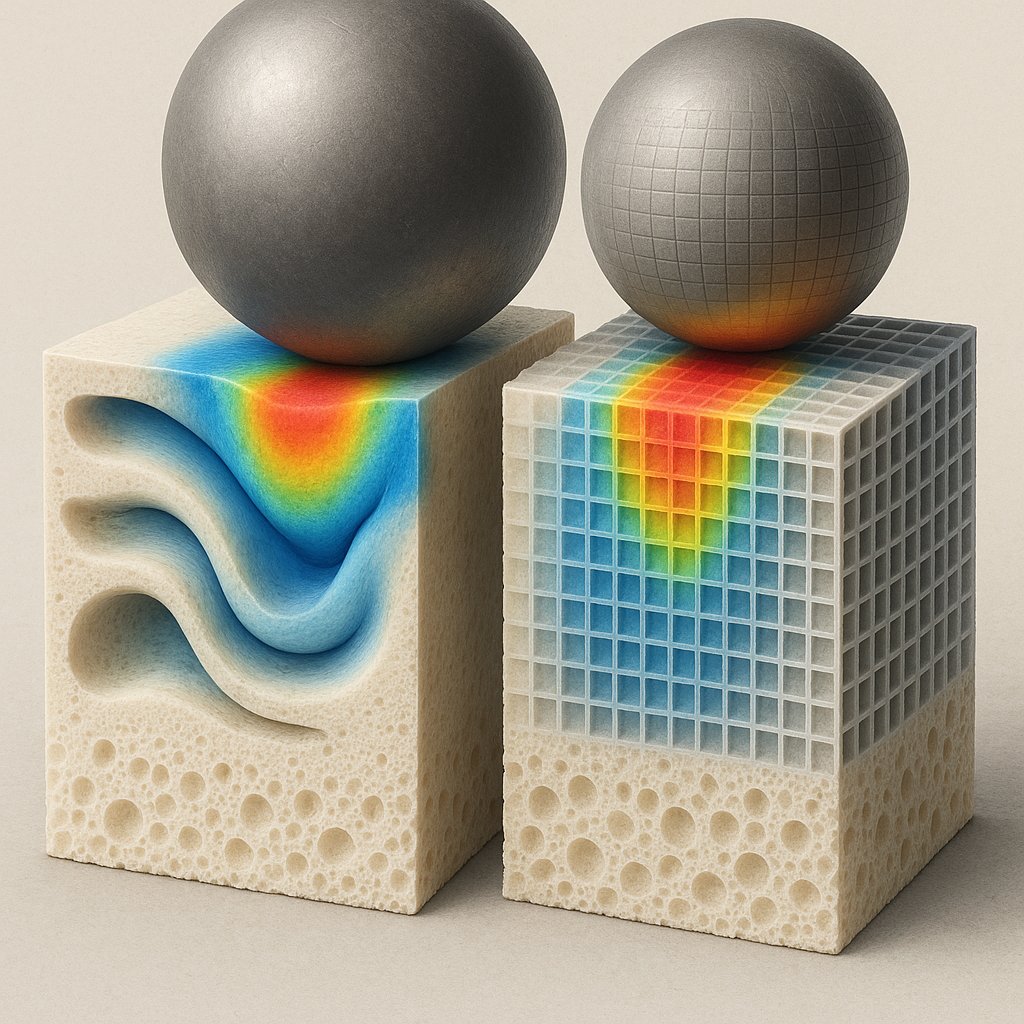
Conceptual illustration — an unconstrained, free-flowing response (left) versus the same response boxed into a rigid grid (right): a visual metaphor for geometric freedom vs. pin-grid constraint. Illustrative only, not an engineering diagram.
Morpheus Global will be established as a Singapore-based holding company for the RF vulcanization know-how, IP, and licensing arrangements behind our production lines. Each line is a separate, independently capitalized project — an investor can back either on its own merits.
Once incorporated, this entity will hold the accumulated RF vulcanization know-how, licensing arrangements, and roadmap for future product lines. Production lines beneath it are separately capitalized and evaluated.
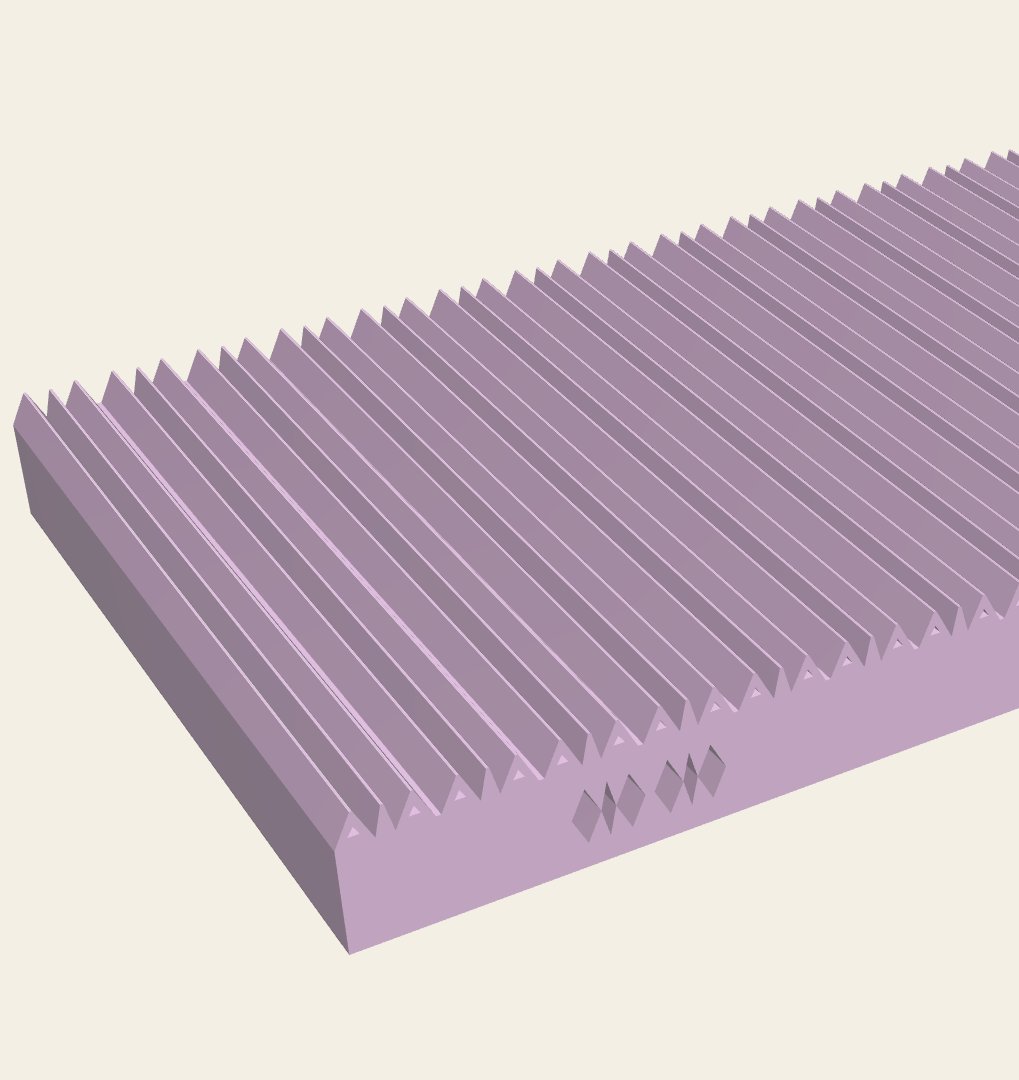
Illustrative only — the actual mould geometry is proprietary know-how and not disclosed here.
An RF-enabled mattress core with geometric freedom the standard pin process cannot match, plus a premium multi-zone layout built on the same core technology.
An RF-vulcanized ergonomic pillow core, with a premium aromatherapy variant built around an interchangeable essential-oil carrier zone.
Looking Ahead Beyond the current mattress and pillow lines, we are pursuing early-stage R&D into natural-latex memory-effect foam and a new Talalay-type process — both at an early development stage and not yet part of the current investment case.
We are not pricing against commodity latex foam — including other RF-made foam that still copies the standard pinhole result. Geometric freedom is a functional difference a buyer can feel, and it lets us sell into the same channels at a different price point.
Conceptual illustration of the Red Ocean / Blue Ocean positioning.
Both financial models are deliberately built on the cautious end of the ranges we've observed — not to understate the opportunity, but so a raise, once made, doesn't need to be revisited.
Selling prices are modelled at or below what established producers already charge — despite our products offering differentiation those producers cannot easily replicate.
Capacity starts at 0% through a full construction year and reaches only 35% in Year 2 — well below what a proven, repeat factory build could plausibly achieve out of the gate.
Both capital requirements already include a cost contingency on top of quoted equipment and construction prices, with raw-material costs assumed at the upper end of current rates.
Three founders spanning materials science and manufacturing, sales, and strategic finance.
In the bedding and latex foam industry since 1986. Invented the RF vulcanization process for latex foam and has planned, built, or led four factories across three continents.

Asian B2B channel relationships and direct-to-consumer brand positioning.
Singapore-based capital deployment; scaling infrastructure from prototype to production.
Every specification behind our production lines is grounded in real factory builds — not projected from a spreadsheet.
Jens Szymanska entered the bedding industry in Germany in 1986. A 1996 trip to Asia turned into a focus on natural latex foam specifically, and led to co-founding a quality association for environmentally sound latex mattresses in Cologne (QuL e.V.).
Ran the operational side of a latex foam trading and manufacturing business — planning factories with suppliers, and calculating output, equipment, and plant requirements in detail. Sri Lanka, Indonesia, and Guatemala were built during this period.
First hands-on factory build: steam-based vulcanization with RF-based drying.
The world's first full RF-vulcanization latex foam factory — planned as a pilot plant for pillow production, it later became a mattress-core factory as well. Operational until 2022.
A full RF-based plant with dedicated pillow and mattress-core lines, supplying leading eco mattress manufacturers in the US.
Continued process refinement and consulting across the industry.
A fourth factory, based entirely on radio frequency technology, this time as an independent entrepreneur through an EU-based company – a pillow and mattress line built for a customer who wanted standard pinhole foam.
This page is intentionally high-level. If you'd like the full investment memorandum, financial models, or a direct conversation with the team, reach out below and we'll follow up.